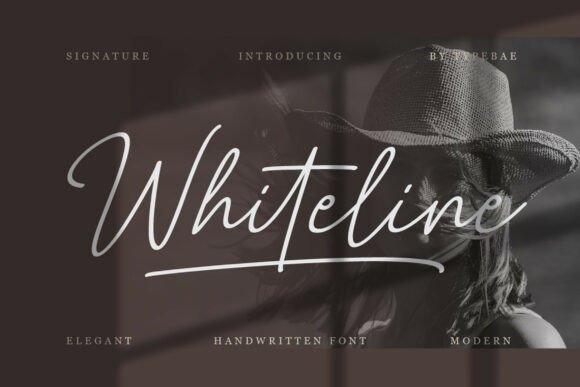
Whiteline: A Graceful Handwritten Font for Crafters
There is a distinct feeling when you hold a product that feels personal, something made with care rather than mass-produced on an assembly line. As someone who spends their days cutting vinyl, designing labels, and wrapping handmade goods, I know that the typography you choose is often the first thing a customer notices. It sets the tone before they even touch the item. This is where Whiteline shines. It is not just another script font; it is a graceful handwritten typeface designed to bring smooth flowing strokes and natural signature charm to your creative projects.
In the world of handmade businesses, from Etsy shops to local craft fairs, your brand identity needs to communicate quality instantly. Whiteline offers exactly that. It captures the elegance of a pen gliding across paper, making it an ideal choice for creators who want their products to feel bespoke and sophisticated without sacrificing readability.
The Visual Personality of Whiteline
When you first load Whiteline into your design software, the difference is immediate. Unlike rigid calligraphy or overly decorative display fonts that can look cluttered, Whiteline maintains a balance between artistic flair and clean structure. The smooth flowing strokes mimic the natural rhythm of handwriting, giving every letter a sense of movement and life.
This visual personality makes it perfect for creating a "signature" look. Whether you are designing a logo for your new candle company or writing the date on a wedding invitation, the font carries a weight of authenticity. It avoids the trap of looking like a digital imitation; instead, it feels like a genuine human touch. For small shop owners, this emotional appeal is crucial. Customers connect with brands that feel real, and a font that looks like it was written by hand helps bridge that gap between a faceless business and a trusted artisan.
Bringing Whiteline to Life in Physical Products
The true test of any premium font is how well it translates from the screen to physical media. Whiteline excels in a wide variety of craft applications, proving its versatility as a commercial asset. Let's explore how you can integrate this script amp into your product line.
Labels, Packaging, and Stickers
If you sell beauty products, soaps, or candles, your packaging is your silent salesperson. Using Whiteline for product labels adds an instant layer of luxury. Imagine a minimalist white jar with a black label featuring your brand name in Whiteline. The smooth strokes ensure that even at smaller sizes, the text remains legible and elegant. It works beautifully on kraft paper tags for boutique clothing lines or on clear stickers for water bottles and mugs. Because the font has a natural flow, it wraps around curved surfaces like jars and bottles without looking awkward or stretched.
Invitations and Stationery
For those of us who specialize in wedding stationery or event planning, the demand for unique, high-end designs is constant. Whiteline is a standout choice for wedding invitations, save-the-dates, and thank-you cards. Its signature charm elevates standard templates into heirloom-quality pieces. You can use it for the couple's names in a large display format while keeping the rest of the details in a complementary serif font. The result is a balanced, modern typographic hierarchy that guests will appreciate.
Cutting Machines and Wall Art
Cricut and Silhouette users know the frustration of fonts that don't cut cleanly or lose detail at small scales. Whiteline is robust enough for vinyl cutting while retaining its delicate aesthetic. It is excellent for farmhouse signs, nursery wall art, and custom decals. When used for short phrases or inspirational quotes on wood signs, the font's fluidity adds warmth to the space. It pairs particularly well with rustic textures, enhancing the handmade vibe of your decor items.
Readability and Practical Design Tips
While beauty is important, functionality cannot be ignored. As a creator, you need to know the limits of your tools. Whiteline is best suited for headlines, short phrases, names, titles, and decorative wording. It is not designed for long paragraphs of body text. Attempting to set a full story in a script font can lead to poor readability and a messy appearance.
When using Whiteline for small stickers or intricate labels, pay attention to the spacing. The smooth flowing strokes require adequate kerning to prevent letters from merging together, especially on dark backgrounds. Always print a test copy on your actual material before committing to a full batch. Check how the ink sits on the surface and ensure the thinnest parts of the strokes do not break up during printing or cutting.
Furthermore, consider the contrast. Whiteline looks stunning in gold foil on black cardstock, but it also works perfectly in crisp white on pastel backgrounds. The key is to let the font breathe. Give it enough negative space so the graceful curves can be appreciated fully.
Mastering Font Pairing with Whiteline
No font exists in a vacuum. To create a cohesive brand identity, you need to pair your script font with supporting typefaces that enhance its strengths. Since Whiteline is expressive and organic, it thrives when paired with structured, clean fonts.
- Sans Serif Fonts: Pairing Whiteline with a modern sans serif font creates a trendy, contemporary look. Use the sans serif for addresses, dates, or ingredient lists on labels. The geometric simplicity of the sans serif grounds the fluidity of the script, ensuring your design remains readable.
- Serif Fonts: For a more traditional or classic aesthetic, try pairing Whiteline with a simple serif font. This combination is timeless and works exceptionally well for wedding invitations and formal branding. The serifs add a touch of authority that balances the playfulness of the handwritten style.
- Bold Display Fonts: If you need to make a statement, use a bold display font for the main title and reserve Whiteline for subheadings or accents. This creates a dynamic visual hierarchy that draws the eye immediately.
Experiment with different weights and styles within your chosen pairings. The goal is harmony, not competition. Let Whiteline be the star of the show while the secondary font handles the informational heavy lifting.
Licensing and Commercial Use
As a small business owner or independent creator, understanding your font license is non-negotiable. Whiteline is designed to be a commercial font, meaning it is cleared for use in selling physical products, templates, printables, and digital downloads. However, always verify the specific terms of the license included with your purchase.
Generally, a commercial license allows you to use the font on merchandise like t-shirts, tote bags, and mugs that you sell directly. It also covers client work, such as designing logos or packaging for other businesses. Be mindful of restrictions regarding resale of the font file itself or embedding it in certain types of software applications. Using a properly licensed font protects your business from legal issues and ensures you are supporting the designers who create these essential design assets.
Investing in a high-quality typeface like Whiteline is an investment in your brand's future. It provides consistency across all your marketing materials, from social media graphics to product packaging. In a crowded marketplace, the right font can be the subtle yet powerful factor that makes a customer stop scrolling and start buying. With its blend of grace, readability, and commercial utility, Whiteline is ready to become the signature element of your next big project.